
Mastering Composition: The Hidden Framework Behind Every Great Photograph

Mastering Composition: A Conversation Between Photographers
When I talk about composition, I’m not talking about rules or rigid formulas. I’m talking about the quiet decisions we make behind the camera — the ones that guide a viewer’s eye and shape how they experience our images. Think of this as a conversation between two photographers, just you and me, out in the field with our cameras slung over our shoulders.
Start With Your Subject
Whenever I’m setting up a shot, the first thing I ask myself is simple: What’s the point of this photo? If I can’t answer that, the composition will fall apart. Once you know your subject — the “hero” of the frame — everything else becomes easier. You’re no longer guessing; you’re building around intention.
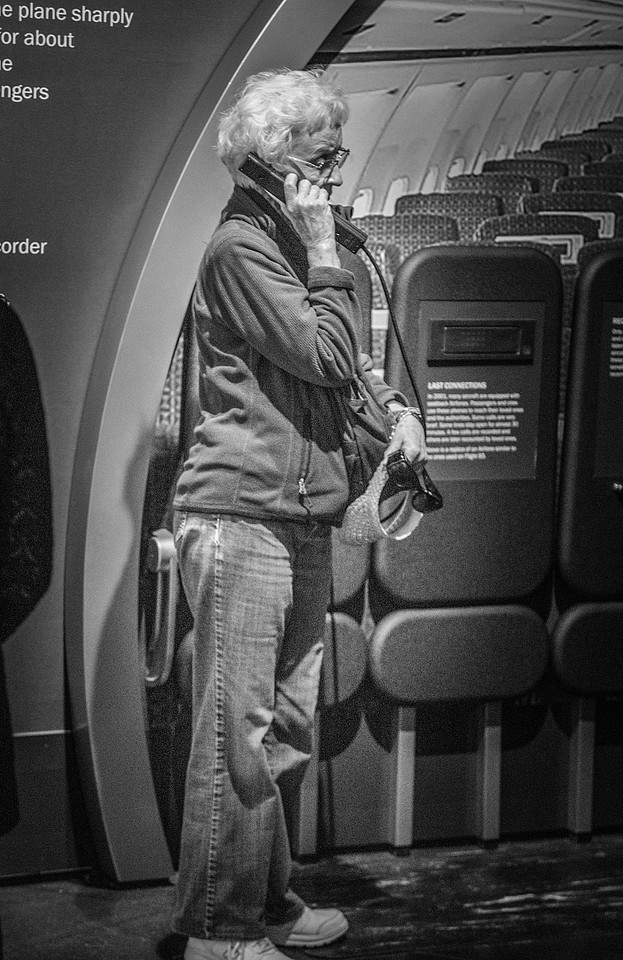

The subject we see in the picture is of an older lady listening to conversations between the flight crew and passengers just before Flight 93 crashes near Hanksville, PA.
Let Lines Lead the Way
I’m always looking for lines. Roads, fences, shadows, ridges — they’re like visual arrows. They pull the viewer into the frame and guide them exactly where you want them to go. When you start seeing lines, you start seeing compositions everywh
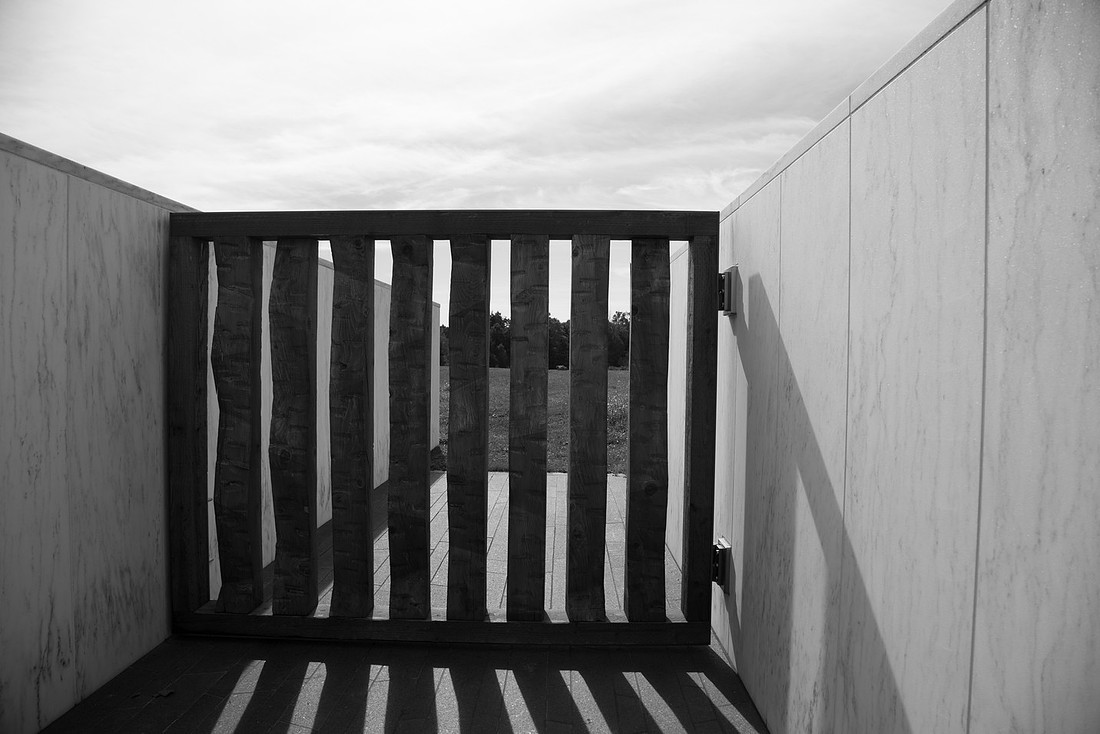 Here the leading lines take us on a journey to the point where Flight 93 ended.
Balance Isn’t Symmetry
A lot of photographers think balance means everything has to be centered or mirrored. Not true. Balance is about visual weight. A bright rock on the left might be balanced by a darker mountain on the right. You’re arranging elements so the frame feels stable, not lopsided.
Give Your Subject Room to Breathe
Negative space is one of the most powerful tools you have. Don’t be afraid of empty areas in your frame. Space creates mood. It creates calm. It lets your subject stand tall without competing for attention.
 In this photo we see negative space is used strategically to emphasize the subject matter.
Use Foreground to Build Depth
If you’ve ever wondered why some landscape photos feel flat, it’s usually because they’re missing foreground. A rock, a patch of flowers, a textured pattern — these elements pull the viewer into the scene and create layers. When you add depth, your images feel more immersive.
Frame What Matters
Sometimes nature gives you a gift: a tree branch, an archway, a canyon wall. These natural frames help isolate your subject and simplify the scene. When you frame intentionally, you’re telling the viewer exactly where to look.
Move Your Feet
One of the biggest shifts in my own photography came from simply changing my perspective. Drop low. Climb higher. Step left or right. A small movement can completely transform the composition. Don’t settle for the first angle — explore the scene.
Simplify, Simplify, Simplify
If something doesn’t support the story, remove it. Clutter weakens impact. The strongest compositions are clean and intentional. When in doubt, simplify.

A Final Thought
Composition isn’t a checklist — it’s a conversation between you and the scene. The more intentionally you arrange the elements in your frame, the more clearly your images speak. And when your images speak clearly, they connect more deeply.
