
Spring Flowers for Photographers: How to Capture Vibrant Greens and Soft Pastels

Spring Flowers for Photographers: How to Capture Vibrant Greens and Soft Pastels
Spring is the season photographers dream about — a world waking up in color, with fresh greens, delicate blossoms, and soft pastels that feel almost painted. But capturing spring flowers isn’t as simple as pointing your lens at a bloom. The palette is subtle, the light is fleeting, and the details are easily lost without intention.
Here’s how to elevate your spring flower photography with smarter planning, thoughtful technique, and a creative eye for color.
1. Understand Spring’s Color Palette is unique. Greens are lighter and more yellow‑leaning, petals are translucent, and pastels can wash out quickly in harsh light.
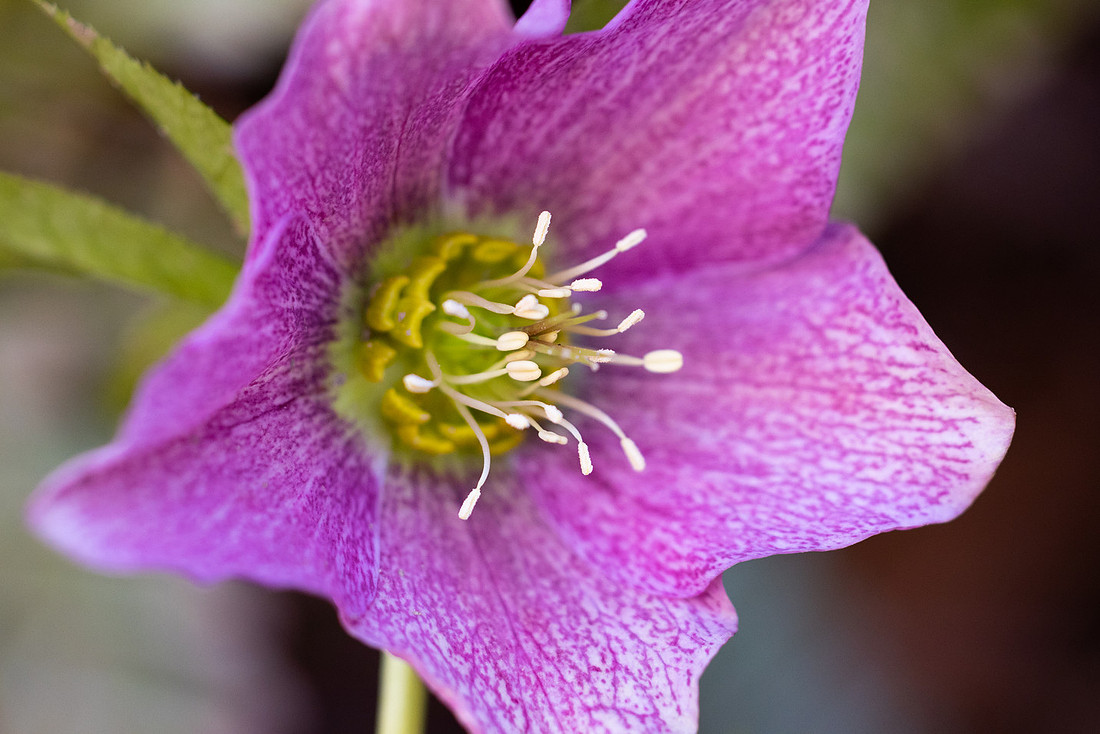

What makes spring color special
-
Fresh greens glow when backlit
-
Pastel petals scatter light beautifully
-
Moisture in the air softens contrast
-
Overcast skies act like a giant softbox
Recognizing these qualities helps you choose the right light and angles.
2. Choose the Right Light for Flowers
Light can make or break spring flower photography.
Soft Light (Cloudy, Shade, Early Morning)
Perfect for:
-
Pastel blossoms
-
White flowers
-
Close‑ups and macro
Soft light preserves detail and prevents harsh shadows.
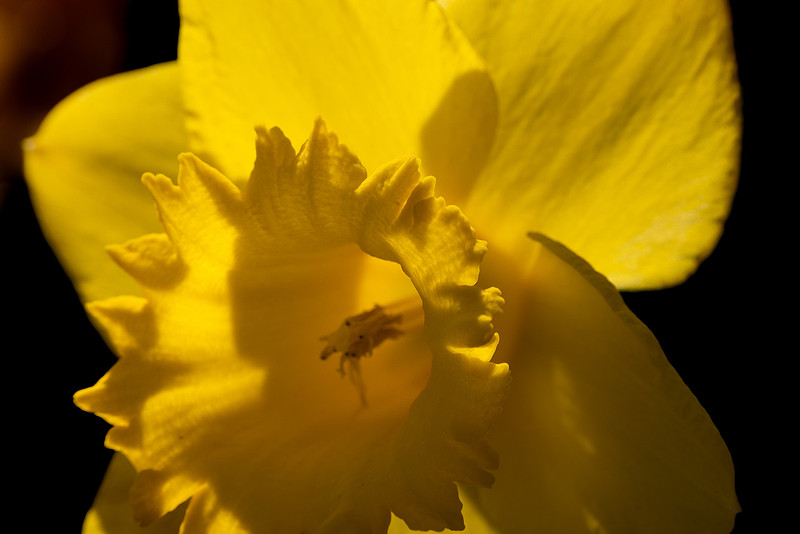
Backlight (Golden Hour)
Perfect for:
-
Fresh greens
-
Translucent petals
-
Dew‑covered blooms
Backlight creates glow, depth, and a sense of life.

Avoid Midday Sun
It flattens pastels, blows out highlights, and creates harsh contrast.
3. Composition Techniques That Bring Flowers to Life
Get Low and Shoot Through
Move your lens into the flowers, not above them.
Shooting through foreground petals creates:
-
Soft color washes
-
Dreamy bokeh
-
Depth and atmosphere
Use Leading Lines
Garden paths, stems, and repeating blooms guide the viewer’s eye.
Fill the Frame
Spring flowers often look best when you eliminate distractions and let color dominate.
Look for Layers
Foreground → subject → background
This creates dimension and a painterly feel.
4. Master Focus and Depth of Field
For Dreamy Pastels
Use a wide aperture (f/1.8–f/4) to:
-
Blur backgrounds
-
Create soft transitions
-
Highlight a single bloom
For Detailed Botanical Shots
Use f/8–f/16 to:
-
Capture texture
-
Keep multiple petals sharp
-
Preserve structure
Pro Tip:
Use manual focus for macro work — autofocus often struggles with tiny subjects.
5. Color Control: Greens, Pinks, Whites, and More
Greens
-
Slight underexposure protects detail
-
Backlight enhances translucency
-
A polarizer reduces glare but use lightly
-

Pinks & Pastels
-
Warm white balance (Cloudy or Shade) enhances softness
-
Avoid heavy contrast adjustments
-
Use soft backgrounds to keep the palette gentle
-

Whites
-
Watch your histogram
-
Slight underexposure prevents clipping
-
Overcast light is your best friend
6. Gear Tips for Spring Flower Photography
Lenses
-
Macro lens (90–105mm) for detail
-
Telephoto (70–200mm) for compression and background blur
-
Wide-angle for environmental flower scenes
Accessories
-
Reflector for subtle fill
-
Diffuser for harsh light
-
Tripod for macro stability
-
Kneeling pad (your knees will thank you)
7. Embrace Weather and Imperfection
Some of the best spring flower photos happen when conditions aren’t perfect.
-
After rain → saturated color, water droplets
-
Fog → soft, ethereal mood
-
Wind → motion blur for artistic effects
Spring is alive — let your images feel alive too.
Final Thoughts
Spring flowers offer endless creative possibilities, but the magic comes from slowing down, observing the light, and letting the season’s natural softness guide your approach. Whether you’re shooting vibrant greens glowing in backlight or pastel petals under a gentle sky, spring rewards photographers who embrace subtlety and intention.
