
Learning to See Light: A Photographer‑to‑Photographer Conversation

Learning to See Light: A Photographer‑to‑Photographer Conversation
If there’s one thing that shapes every photograph we make, it’s light. Not the camera, not the lens — light. And the more time I spend behind the camera, the more I realize that understanding light isn’t just a technical skill. It’s a relationship. So let’s talk about light the same way we would if we were standing together on a ridge at sunrise, waiting for the first glow to hit the landscape.
Light Sets the Mood Before You Even Press the Shutter
Whenever I walk into a scene, the first thing I pay attention to isn’t the subject — it’s the light. Is it soft? Harsh? Warm? Cool? Directional? Flat? Light decides the mood long before composition or exposure come into play.
Ask yourself: What do I want this moment to feel like? Because once you know the feeling, you’ll know how to work the light.
Here is a photo from the Grand Canyon National Park. Notice how the evening light is making the is interacting on the Canyon peaks.
Direction Is Everything
Light direction is one of the most overlooked parts of photography. Front light gives clarity. Side light gives texture. Backlight gives drama.
When I’m shooting landscapes or portraits, I’m constantly moving around my subject just to see how the light changes. A few steps can turn a dull scene into something magical.
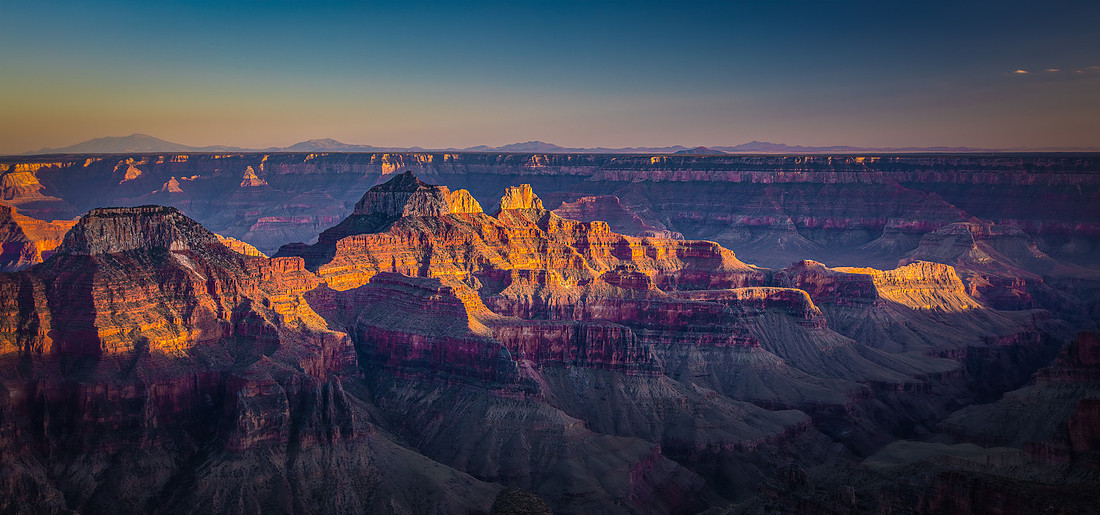
 Direction of the light is critical to making great photographs. In this of the Grand Canyon we can see the canyon walls being lit by the western sun as it retires for the day.
Quality of Light Changes the Story
Not all light is created equal. Soft light wraps gently around your subject. Hard light carves out shape and contrast. Golden light warms everything it touches. Blue hour light cools the world down and quiets the mood.
The key is recognizing what kind of story each type of light tells — and choosing the one that fits your vision.
Color Temperature Shapes Emotion
Warm light feels inviting. Cool light feels calm or mysterious. Neutral light feels honest.
I pay close attention to color temperature because it influences how viewers feel when they look at the image. Even subtle shifts can change the emotional tone.
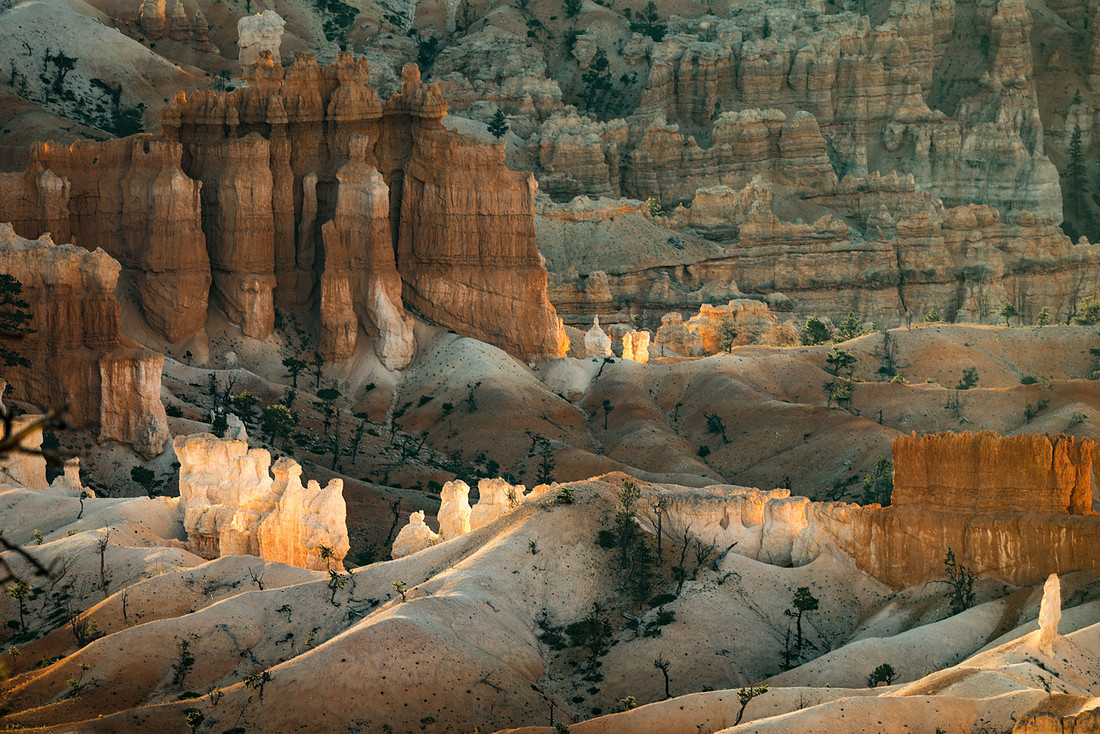 As the light of day changes we, as photographers, must change our orientation as well. For example morning rising sun comes up in the East, so our approach is entirely different from that at sunset, as shown in the first photograph.
Light Changes — So You Have to Change With It
Light is alive. It moves, fades, strengthens, and shifts faster than we expect. I’ve learned not to get comfortable with one setting or one angle. When the sun dips behind a cloud, I adjust. When the sky opens up, I adjust. When the scene transforms, I move with it.
Photography is a conversation with changing light, not a static moment.
Chasing Light Isn’t Enough — You Have to Understand It
We’ve all chased golden hour. We’ve all rushed to catch the last bit of sunset. But the real growth happens when you start understanding why certain light works and how to use it intentionally.
Sometimes the best light isn’t at sunrise or sunset — it’s when a storm breaks, when fog rolls in, when shadows stretch across the ground. Magic doesn’t always follow a schedule.
The visible light spectrum is made up of Gamma Rays, X-Rays, UV Rays, Infrared Rays & Radio Waves.
Learn to See Light Before You Lift the Camera
One of the biggest shifts in my own photography came when I started studying light without shooting. I’d watch how it falls on a tree. How it glows on a ridge. How it reflects off water. How it softens faces in shade.
When you learn to see light first, your photography becomes more intuitive and more expressive.
A Final Thought
Light is the language of photography. The more fluently you speak it, the more honestly your images communicate. When you stop chasing “perfect” light and start working with the light you have — shaping it, understanding it, respecting it — your photography becomes more personal, more intentional, and more powerful.
