
Milky Way Season 2026: Updated Techniques for Cleaner, Sharper Night Skies

Milky Way Season 2026: Updated Techniques for Cleaner, Sharper Night Skies
Milky Way Season 2026 is shaping up to be one of the most rewarding in years. With increasingly powerful sensors, smarter planning tools, and refined field techniques, photographers now have more control than ever over noise, sharpness, and sky detail. Whether you're a seasoned astrophotographer or stepping into the dark for the first time, this guide brings together the most up‑to‑date strategies to help you produce cleaner, sharper, and more remarkable Milky Way images.


Why 2026 Is a Standout Year for Milky Way Photography
The 2026 season benefits from:
-
Longer dark-sky windows during peak months.
-
Improved low‑noise camera sensors across mirrorless systems.
-
More accurate planning tools for rise times, azimuth, and visibility.
-
Refined exposure and stacking workflows that dramatically reduce noise and improve detail.

1. Gear Upgrades That Matter in 2026
Cameras: Low‑Noise Sensors Take the Lead
Modern mirrorless bodies continue to outperform older DSLRs in dynamic range and high‑ISO noise control. Full‑frame sensors remain ideal, but APS‑C shooters can still achieve excellent results with proper stacking.
Key improvements:
-
Cleaner ISO 6400–12800 performance.
-
Better star‑color retention.
-
Faster readout speeds for panoramas and tracking.
Lenses: Wide, Fast, and Corrected
The 2026 gear landscape emphasizes:
-
14–20mm focal lengths for sweeping landscapes.
-
Apertures of f/1.4–f/2.8 for maximum light.
-
Improved coma control in new lens generations.
Tripods & Heads
A sturdy tripod is still non‑negotiable—especially for panoramas and long exposures. Many photographers underestimate how much sharpness is lost to micro‑vibrations.
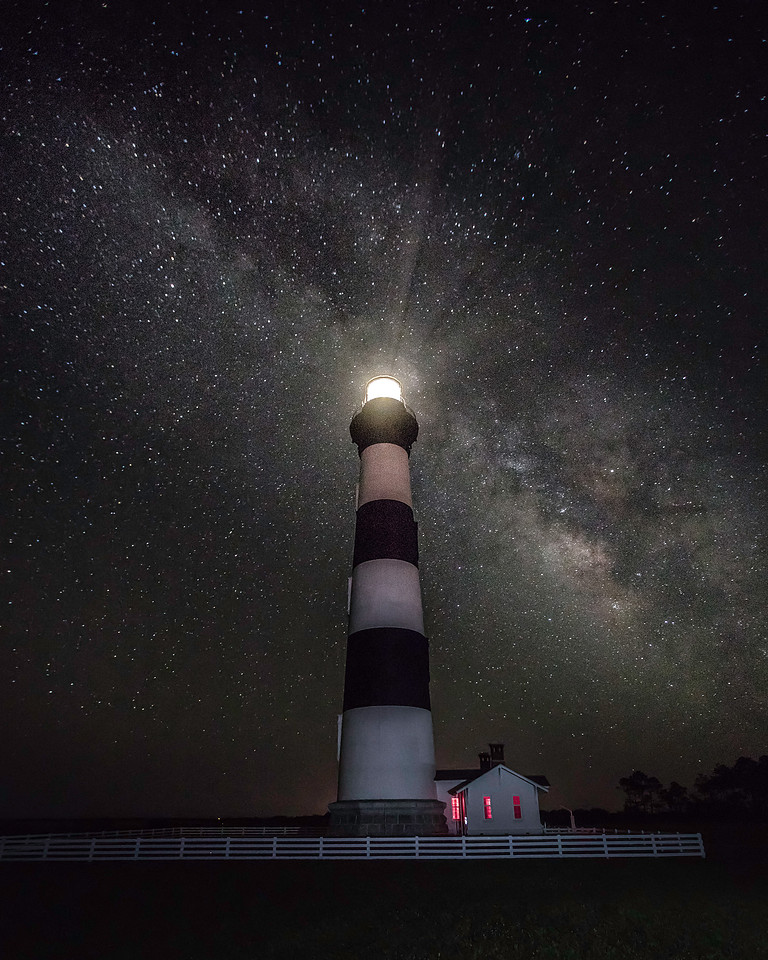
2. Updated Exposure Techniques for Cleaner Files
The 2026 Baseline Exposure
Capture the Atlas’ 2026 guide recommends:
-
Aperture: f/2.8 or wider
-
ISO: 3200–6400
-
Shutter: 10–25 seconds depending on focal length
-
Rule of thumb: Shorter focal lengths allow longer exposures before star trailing becomes visible.
Refined “Shorter Exposure, More Frames” Method
Instead of pushing a single long exposure:
-
Shoot 10–20 shorter exposures at lower ISO.
-
Stack them for noise reduction and detail recovery.
-
This preserves star sharpness and reduces color blotching.
This technique is now widely adopted in professional workflows.

3. Advanced Focusing Techniques for 2026
Live View Magnification + Bright Star Method
Still the gold standard:
-
Find a bright star.
-
Magnify to 10–15×.
-
Manually focus until the star is a tight point.
AI‑Assisted Focus Peaking
Newer mirrorless bodies offer improved low‑light focus peaking that actually works on stars—something older systems struggled with.
Infinity Calibration
Mark your lens’s true infinity point during daylight. This eliminates guesswork in the field.
4. Noise Reduction & Stacking: The 2026 Workflow
Why Stacking Is Essential Now
Even with better sensors, stacking remains the most effective way to:
-
Reduce noise
-
Increase dynamic range
-
Preserve star color
-
Enhance micro‑contrast in the Milky Way dust lanes
2026 Stacking Workflow
-
Capture 10–20 sky frames at identical settings.
-
Capture 5–10 foreground frames at lower ISO.
-
Use tools like Sequator, Starry Landscape Stacker, or Astro Pixel Processor.
-
Apply selective noise reduction only to the sky layer.
This approach is now standard in professional astrophotography.
5. Planning the Shot: 2026 Tools & Timing
Milky Way Rise & Visibility
Planning apps like PhotoPills provide:
-
Galactic core rise times
-
Azimuth and altitude
-
Best alignment windows
-
Moon phase and twilight data
2026 Viewing Charts
Capture the Atlas’ 2026 chart highlights:
-
Peak visibility from March to October depending on latitude.
-
Best core visibility between midnight and dawn during new moon weeks.
Location Scouting
Look for:
-
Bortle 1–3 skies
-
Clear southern horizons
-
Foreground elements that add scale and storytelling
6. Composition Techniques for Cleaner, Sharper Results
Foreground First
Plan your foreground before the sky. Strong compositions often include:
-
Rock formations
-
Trees
-
Water reflections
-
Architectural silhouettes
Panoramas for Maximum Detail
2026 sensors and software make Milky Way panoramas easier and cleaner:
-
Shoot vertical frames with 30–40% overlap.
-
Keep shutter speeds short to avoid star distortion.
-
Use a leveling base for smoother stitching.

7. Post‑Processing: 2026 Best Practices
Color Accuracy
Modern sensors capture more star color than ever—don’t over‑desaturate.
Dehaze with Restraint
Over‑dehazing introduces halos and noise. Apply it selectively to the core.
Noise Reduction
Use:
-
Global NR for sky
-
Local NR for shadows
-
Preserve detail in dust lanes
Star Reduction
A subtle star reduction pass helps the Milky Way core stand out without looking artificial.
8. Common Mistakes to Avoid in 2026
-
Overexposing the core
-
Using too long a shutter speed
-
Ignoring moonrise/moonset
-
Over‑processing (glow halos, neon colors)
-
Not stacking enough frames
Conclusion: 2026 Is the Year to Level Up
With better sensors, smarter planning tools, and refined stacking workflows, 2026 offers photographers the opportunity to produce the cleanest, sharpest Milky Way images yet. Whether you're shooting from a dark desert, a mountain ridge, or a coastal overlook, these updated techniques will help you create night‑sky images that stand out in a world where astrophotography is more popular—and more competitive—than ever.

