
Winter Light Mastery

Winter Light Mastery: How to Capture Crisp, High‑Contrast Landscapes
Winter is one of the most misunderstood seasons in landscape photography. Many photographers pack away their gear, convinced that the cold, the muted colors, or the short days make it a “low‑yield” time of year. But winter light — especially in northern latitudes — is a gift. The sun sits low, shadows stretch long, and the atmosphere becomes clearer and crisper than at any other time of year.
If you know how to work with these conditions, winter becomes a season of high‑contrast drama, razor‑sharp detail, and luminous landscapes that feel almost sculpted by light.
This blog breaks down how to master winter light and create images with clarity, depth, and impact.
Why Winter Light Is So Special
1. Low Sun Angles All Day
In winter, the sun never climbs very high. That means:
-
Directional light from sunrise to sunset
-
Long, graphic shadows
-
Natural contrast without harsh overhead glare
It’s like having golden hour stretched across the entire day!
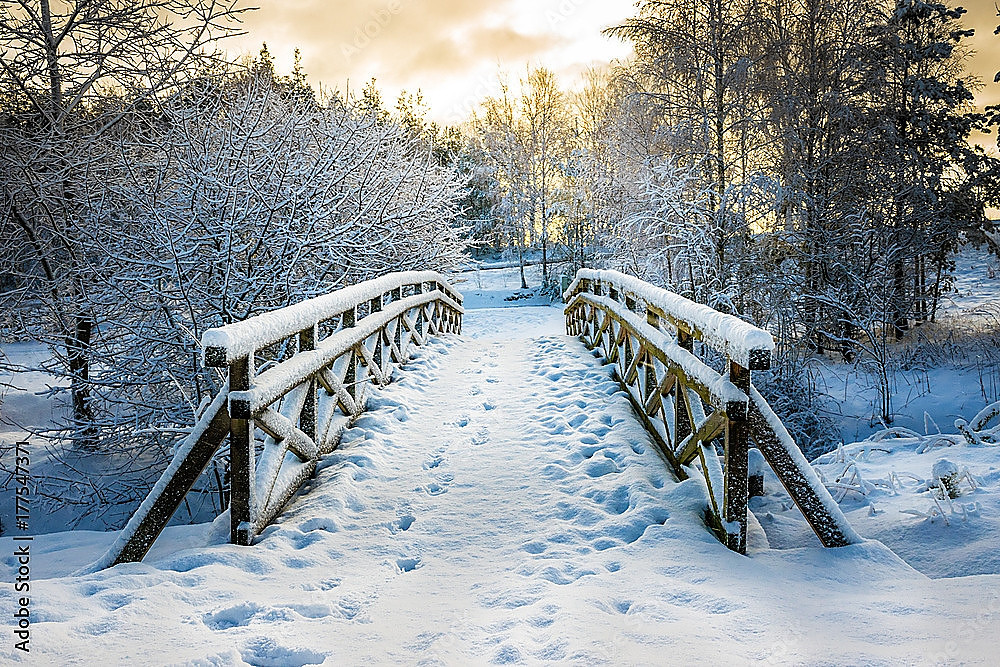

1. This photograph shows a low sun angle
2. Cleaner, Crisper Atmosphere
Cold air holds less moisture. Less moisture means:
-
Reduced haze
-
Higher visibility
-
Sharper distant details
Mountains, skylines, and tree lines appear more defined — perfect for high‑contrast compositions.
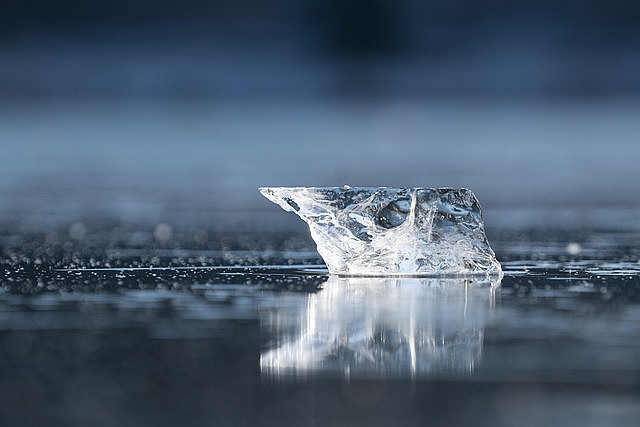
2. This photo shows both a low sun angle & the crispness in the air in the Winter.
3. Snow as a Natural Reflector
Snow doesn’t just brighten a scene — it shapes it.
-
It fills shadows with soft, diffuse light
-
It bounces warm tones back into your subject
-
It creates natural leading lines and patterns
Snow is essentially a giant reflector nature hands you for free.
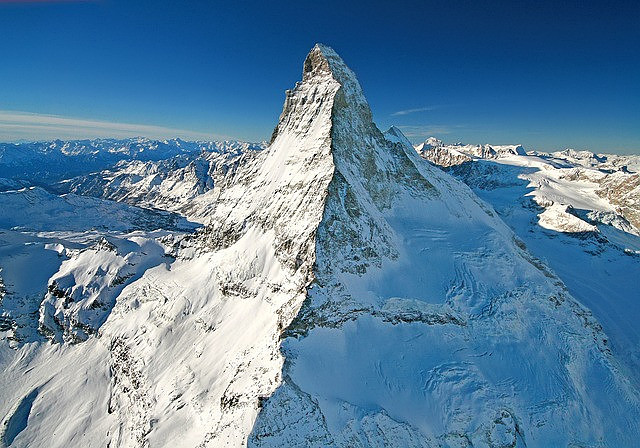
3. Snow is a natural reflector as seen on this mountain peak.
When to Shoot: Timing Is Everything
We can shoot most anytime in the winter, from early morning when it is cold, crisp and clear, or during midday when the sun is still low in the sky, it warms us and it is more directional, or in the late afternoon when the sun glows, and provides long shadows.
Early Morning: Crisp and Blue
Before sunrise and shortly after:
-
The air is coldest and clearest in the morning
-
Snow retains its texture. as the day goes on snow is impacted by temperature, wind, etc.
-
Blue tones dominate, creating a clean, minimalist mood
Perfect for high‑key winter scenes.
Midday: Surprisingly Good in Winter
Unlike summer, winter midday light is:
-
low in the sky
-
Generally, the light is a warm light
-
It takes on a more directional position
This is the time for high‑contrast shadows, tree patterns, and architectural winter scenes.
Late Afternoon: Warm and Dramatic
As the sun drops:
-
Shadows stretch
-
Snow glows
-
Warm tones contrast beautifully with cool surroundings
This is your “winter golden hour,” and it lasts longer than you think.
Camera Settings for Crisp, High‑Contrast Winter Images
1. Shoot in Manual or Aperture Priority
Winter scenes can trick your meter. Snow often causes underexposure.
Dial in:
-
Over compensate by 1 to 2 stops on your exposure compensation dial. Remember, your camera thinks the world is 18% middle gray. Snow is not middle gray. Snow is bright white often reflecting 80-90% of the light hitting it. By over exposing exposure to 1 to 2 stops we fool the camera's light meter to think the snow is white, rather than 18% gray.
-
f/8–f/11 for maximum sharpness
-
ISO 64–200 for clean detail
2. Use a Polarizer
A CPL can:
-
Cut glare on snow
-
Deepen blue skies
-
Increase contrast
- But over‑polarizing can create unnatural gradients. Rotate slowly and watch the sky.
3. Keep Your Histogram Honest - it is your best friend!
Winter scenes often push highlights to the right on a histogram and can cause clipping of highlights that cannot be recovered in post-processing. Most cameras today will either have blinking highlights or a pattern when overexposed.
Aim for:
-
A histogram slightly right‑weighted
-
No clipped highlights in snow on the right side of the histogram
-
Shadows preserved for contrast
Expose for the brightest snow, then recover shadows in post.
Composition Techniques That Shine in Winter
1. Use Shadows as Leading Lines
Winter shadows are long and graphic.
Use them to:
-
Pull the viewer into the frame
-
Create depth
-
Add drama
Tree shadows on snow are especially powerful.
2. Look for Minimalism
Winter simplifies the world:
-
Bare trees
-
Clean horizons
-
Snow‑covered fields
Use negative space to create calm, elegant compositions.
3. Contrast Warm vs. Cool
Winter is a natural color‑contrast playground:
-
Warm sunlight vs. cool snow
-
Golden grasses vs. blue shadows
-
Warm buildings vs. icy landscapes
Lean into these contrasts for visual impact.
Field Tips for Working in the Cold
1. Keep Batteries Warm
Cold drains batteries fast.
Store spares:
-
In an inner pocket
-
Near your body heat
2. Avoid Lens Fogging
When returning indoors:
-
Seal your camera in a zippered bag
-
Let it warm up slowly
-
You can use a lens heater to keep the lens warm and prevent fogging. I use a hand warmer and a rubber band to strap the hand warmer around the lens.
3. Use Gloves You Can Actually Shoot With
Dexterity matters more than insulation.
Look for:
-
Thin liners
-
Fold‑back mittens
-
Windproof shells
Final Thoughts: Winter Is a Season of Opportunity
Winter rewards photographers who embrace its challenges. The low sun angles, crisp air, and natural reflectivity create conditions that simply don’t exist in any other season. If you lean into the contrast, the simplicity, and the sculptural quality of winter light, you’ll create landscapes that feel timeless, clean, and powerful.
This is the season where your images can stand out — literally and figuratively — with clarity and impact.
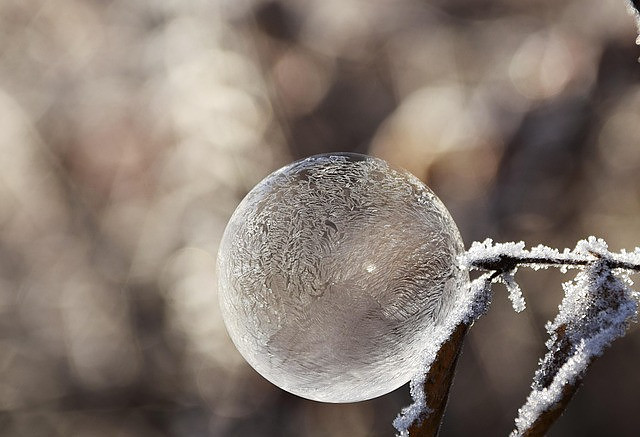
4. This photo shows how winter can add fun to photography.
The bubble was created by blowing a bubble and then as
the bubble cooled it froze and created this dramatic sculpture.
